
Attack analysis. Toolchain breakdowns. No filler.
How a misconfigured SIEM missed 11 lateral moves
A post-incident walkthrough of a real SOC engagement: the detection gaps, the attacker's pivot path, and the rule tuning that would have flagged it at move three.
Every article authored by an active security operator. Incident post-mortems, live methodology dissections, and toolchain teardowns written at the level practitioners actually work at.
By Arjun Mehta, Senior Threat Analyst · 14 min read




Briefings from inside the lab
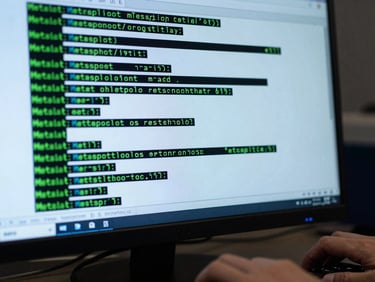
Metasploit for post-exploitation: what most courses skip
DNS tunneling in the wild: detection and countermeasures
Building an IR playbook that survives first contact
Real traffic captures from a red-team engagement showing how DNS exfiltration evades shallow SIEM rules — and the Zeek scripts that catch it.
A hands-on teardown of persistence modules, credential harvesting chains, and pivoting techniques operators use after initial access.
How a templated playbook falls apart under real attack conditions — and the decision trees that held up across three live engagements.
Priya Nair · 9 min read
Karan Sinha · 11 min read
Divya Rao · 10 min read
OAuth token theft via open redirect: a step-by-step chain
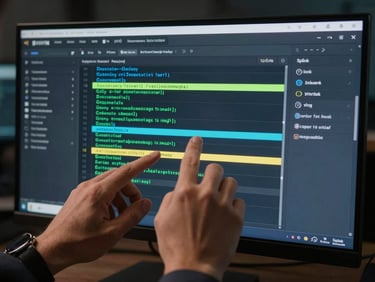
Writing Sigma rules that don't drown your SOC in noise
Active recon without triggering IDS: an operator's checklist
Rule-writing discipline from inside a live SOC: condition logic, field mapping, and the tuning workflow that cut false positives by 60% in one engagement.
Full attack chain walkthrough against a staging environment — request intercept, redirect abuse, token capture, and the developer-side fixes that actually work.
Timing controls, fragmented scans, and protocol choices that keep recon traffic below the detection threshold of common enterprise IDS configurations.
Arjun Mehta · 13 min read
Karan Sinha · 8 min read
Priya Nair · 7 min read
The lab produces the writing. The writing proves the lab.
Every article here started as a live engagement. If the depth reads like a briefing, that's because it is.
Reach us
1st Floor, Cyber Dwar Labs, Sravya Garden, Nizamabad, Telangana, India - 503002
Available Mon–Sat,,
9AM–9PM IST
© 2026 CyberDwar Labs. All Rights Reserved.
Empowering the next generation of ethical hackers and cybersecurity professionals through practical training and real-world exposure.
Quick Links
Policies
Get In Touch
Learn. Hack. Defend. Succeed.
Privacy Policy
Terms & Conditions
Refund Policy
Placement Policy
Disclaimer